

 english@jwbeauty.net
 Whatsapp
What is Gynecomastia as per JW Plastic Surgery?
Gynecomastia, also known as male breast enlargement, is a condition in which a man’s chest becomes abnormally enlarged and resembling a woman’s breasts. It is caused by a hormone imbalance, specifically, estrogen and androgen which leads to the development of glandular breast tissue in the chest area. However, in some cases, it can also occur simply due to obesity, even without hormonal imbalance.
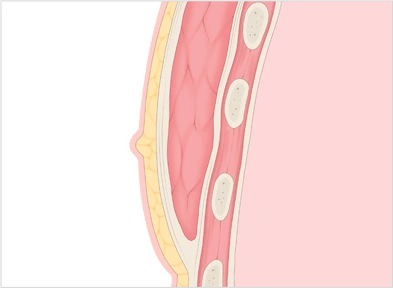
Normal Male Chest
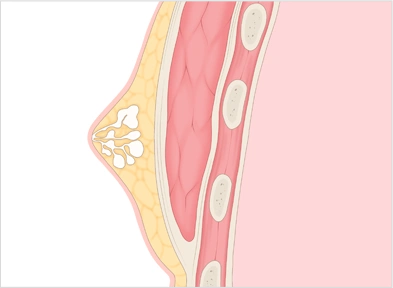
Typical Case of Gynecomastia
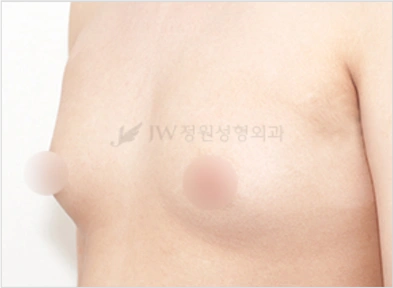
Real Case of Gynecomastia
JW Plastic Surgery: Gynecomastia Treatment
Gynecomastia can cause psychological stress and may affect social interactions and one’s daily life so active treatment is necessary.
To begin treatment, it is essential to identify the underlying cause,
starting with an examination to determine whether there is any endocrine system abnormality.
If a healthy adult male has gynecomastia without endocrine issues,
surgical treatment is required, and the surgical method varies depending on the degree of glandular tissue development.

Surgery Time
Approximately 1 hour

Anesthesia Method
Sedation or general anesthesia

Hospitalization
Same-day discharge

Stitch Removal
1 week post surgery

Recovery Period
1~2 days
※ Temporary breast enlargement that appears during adolescence (which disappears in more than 90% of cases within 3 years) is considered a normal phenomenon and usually resolves before the age of 20.
The Uniqueness of Gynecomastia Surgery at JW Plastic Surgery
To begin treatment, it is essential to identify the underlying cause,
starting with an examination to determine whether there is any endocrine system abnormality.
If a healthy adult male has gynecomastia without endocrine issues,
surgical treatment is required, and the surgical method varies depending on the degree of glandular tissue development.
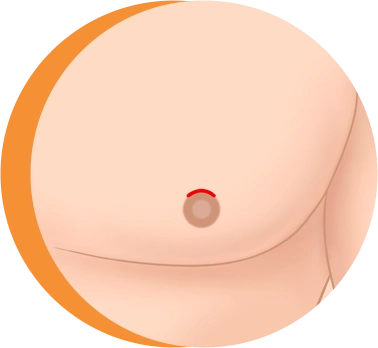
- Both fat and glandular tissue are removed to prevent recurrence, ensuring surgery without breast deformity or other side effects.
- A minimal incision of 4 mm is made along the areolar border or armpit crease for the procedure.
JW Plastic Surgery Gynecomastia (Male Breast Enlargement)
Surgical Methods for each Type
Pectoralis Major
Rib
Intercostal Muscle
Fatty Tissue
Liposuction
Type 1
Excess Fatty Tissue Enlargement
Pectoralis Major
Rib
Intercostal Muscle
Glandular Tissue
Glandular Tissue Excision
Type 2
Excessive Glandular Tissue Development
Pectoralis Major
Rib
Intercostal Muscle
Glandular Tissue
Fatty Tissue
Liposuction + Glandular Tissue Excision
Type 3
Mixed Type (Excess Fatty and Glandular Tissue Growth)
Recommended Candidates for Gynecomastia (Male Breast Enlargement) Surgery
CASE 01
When the chest appears large due to obesit
CASE 02
When the chest still protrudes and feels firm to the touch even after weight loss
CASE 03
When the areola is larger than normal and the area around it is noticeably raised
CASE 04
When chest area protrudes, causing psychological stress
CASE 05
When a hard glandular mass can be felt around the nipple area
Gender Dysphoria (Transgender Surgery) at JW Plastic Surgery
Female to male transsexualism; FTM
For those seeking to reclaim their gender identity and transition from female to male,
the surgery that reshapes a female chest into a male chest is part of a sex reassignment surgery.
Such procedures should be performed only after thorough psychological and physical evaluation.
Transforming the female chest into a male chest
01
The surgery method is determined by the size of the breasts and the type of breast tissue.
02
If the breasts are small and skin removal is not necessary, only the breast tissue is removed through liposuction or glandular excision.
03
If the breasts are large with excess skin, glandular excision is performed together with removal of some skin and areolar tissue,which leads to raising the nipple position and reducing the areola size.
04
Nipple reduction can be done simultaneously as these procedures or later in a separate session.
05
When only breast tissue is removed, the procedure can be done under sedation.
06
If there is a large amount of skin or tissue to remove, surgery is performed under general anesthesia.
07
Same-day discharge is possible, and hormone therapy before and after surgery is required.
03
SAFETY SYSTEM
Surgical Safety Management System
01
Infection prevention through a thorough sterilization system
The clinic is equipped with air showers, sterilization and disinfection systems, HEPA filters, and a laminar airflow setup (air purification system meeting high-risk surgical standards)
02
Real-time patient monitoring system
During surgery we continuously monitor the ECG, the blood pressure, pulse, oxygen saturation, carbon dioxide levels, as well as the body temperature during anesthesia
03
Comprehensive preparation for emergencies
Equipped with an uninterruptible power supply (UPS) and fire-resistant structure throughout the hospital
04
Prepared for any emergency situation
Emergency treatment system equipped with a defibrillator and emergency rescue equipment.
05
Emergency Response System
Various implants available, including Motiva, Mentor, and Sebbin are selected according to each individual’s breast characteristics and personal preferences.
06
Wide range of clinically proven implants
Our in-house anesthesiologist provides care from the beginning of surgery through recovery, with safety equipment in place to respond immediately to emergencies and ensure effective postoperative pain management.
 English
  Chinese
  Russian
  Japanese